Work
The Velocity of Craft

Background on my POV in this:
The distance from idea to finished artifact has compressed beyond belief. I (like many others) never imagined a wand so powerful as the interface delivering the knowledge of the entire universe in the palm of my hand.
I learned this world via Adobe After Effects 2012 on an old windows desktop when a back fracture in JV football sent me home from school on the bus every day for the next year. No idea of what was to evolve in technology, or that a decade later we'd truly unlock dopamine in the form of god-mode intelligence that overrides any circadian rhythm or bedtime reminder from an Apple watch.
In a technical sense, this means I am no longer bound to my Liberal Arts degree, professional training, or any boxes my resume decides to put me in. While I may not become a surgeon or lawyer with AI, I most certainly have unlocked a learning curve that allows my creativity to take as many forms as I can imagine.
I can move from a note to a working app in a few hours. Spin up a prototype to suggest solutions outside my scope. Writing, design, motion, user experience, code, and testing now sit inside the same working session. However, I’ve noticed this acceleration creeping into the craft and creativity that makes anything worth building or sharing. I’ve seen it in myself, colleagues, and others racing against an hourglass that seems to move faster each day.
The cost of another draft
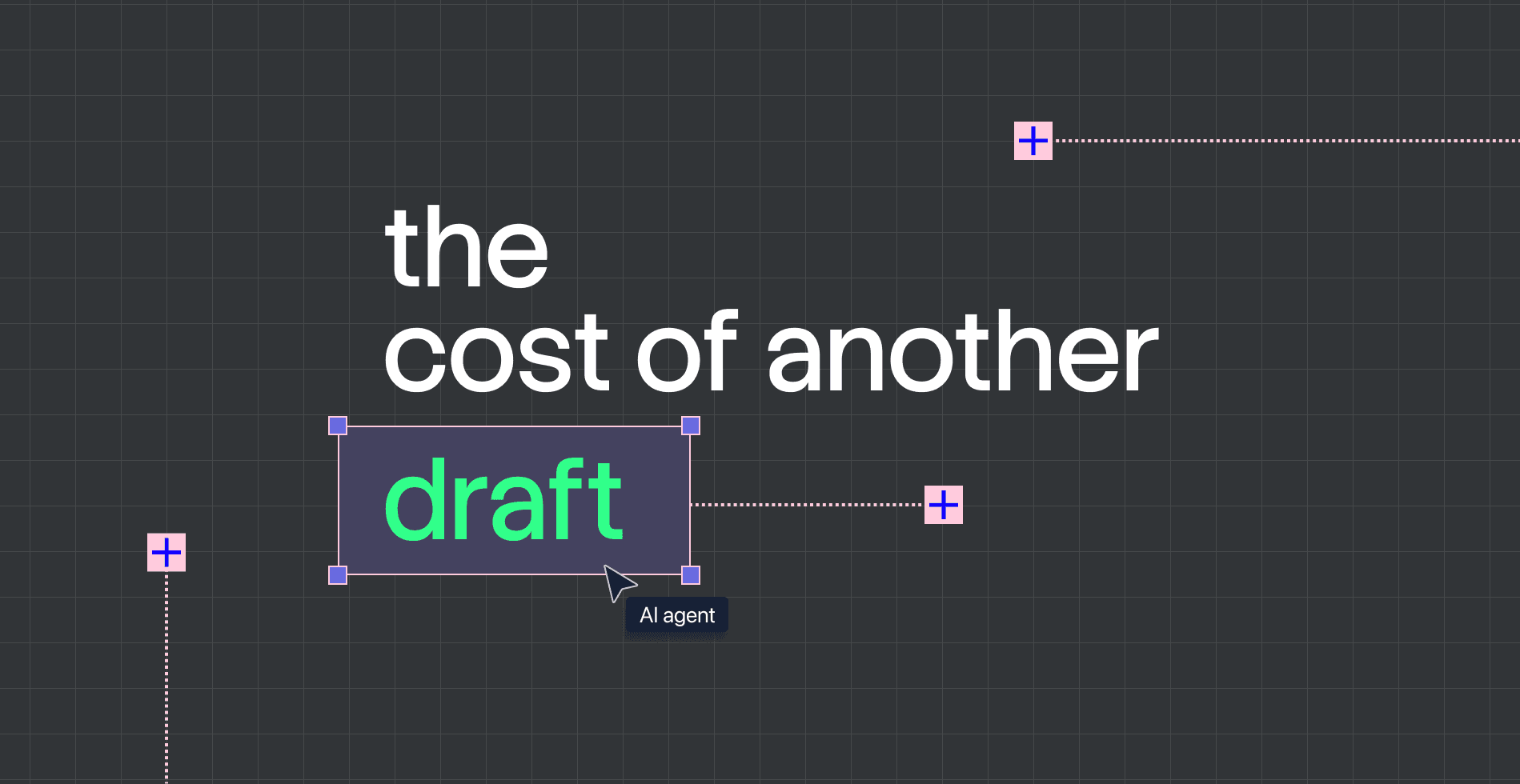
As this ^ moves to zero, the amount of "polished" assets will only continue to exponentially flood every screen we interact with. The problem here is the ensloppification of everything that used to take work, prioritization and intention. You do not need a full AI-generated deck with 4 extra categorization labels for every idea that comes across your mentalverse. Or another Claude-template carousel post on the feed, or worse: an advertisement from an enterprise brand using the same out-of-the-box formatting as the course sellers and "AI agencies." Cognitiveloadmaxxing™ and losing trust on the thought that went into it.
BUT the ability to rapidly develop an idea or moodboard a campaign with a team and try to envision how it could look IRL, is undoubtedly valuable. Giving an entire company the tools to make their own on-brand assets (sales decks, invoices, emails, etc.) is truly powerful in looking that much more buttoned up than the other guys. That stuff makes it worth all the slop.
Side note - Linkedin just shipped a new feature to report AI slop :) stay safe out there.
Where craft takes time
Some decisions carry consequences across an entire company. Positioning shapes the storefront, assets, campaigns, and the way employees describe the business. The structure of a product determines the way a roadmap is paved.
Those decisions deserve time because downstream decisions are all derived at these sources. The faster you're able to dig tunnels, the lower the perceived cost of digging. But digging the wrong tunnels still carries opportunity cost.
The importance of craft as an investment cannot be understated. It begins with identifying a problem or opportunity. Throwing some ideas at the wall, yes. But ultimately taking the time to step back and simplify with extreme attention to detail.
Good work usually feels simple because someone already handled the complexity before it reached the surface. My bet is that this human side of processes will continue to prove more important as holes become easier to dig.
"Taste" really means judgment
Tech twitter loves the word taste. But they also (correctly) love making the point that taste is not just visual or aesthetic preference.
It is strong, imaginative decision making before an answer becomes obvious. And I think it's a muscle that is formed continuously through exposure to good work, practice, and more practice. Passion also helps a lot.
Taste isn't equally weighted across all types of work, but is an absolute necessity in anything that defines how a company shows up in the world. Without it, clean copy and polished designs can still lack a point of view strong enough to capture and hold attention.
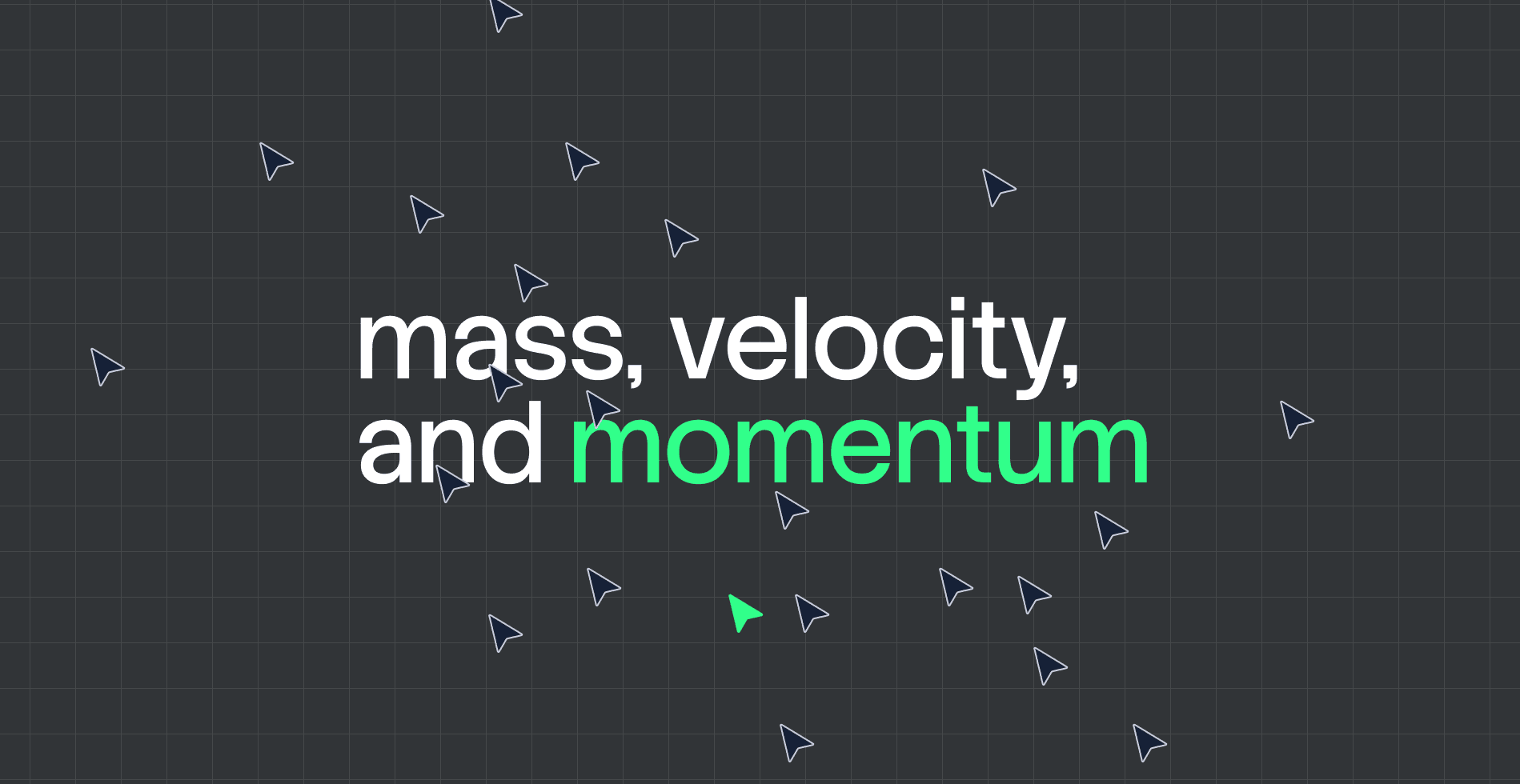
Momentum = Mass x Velocity
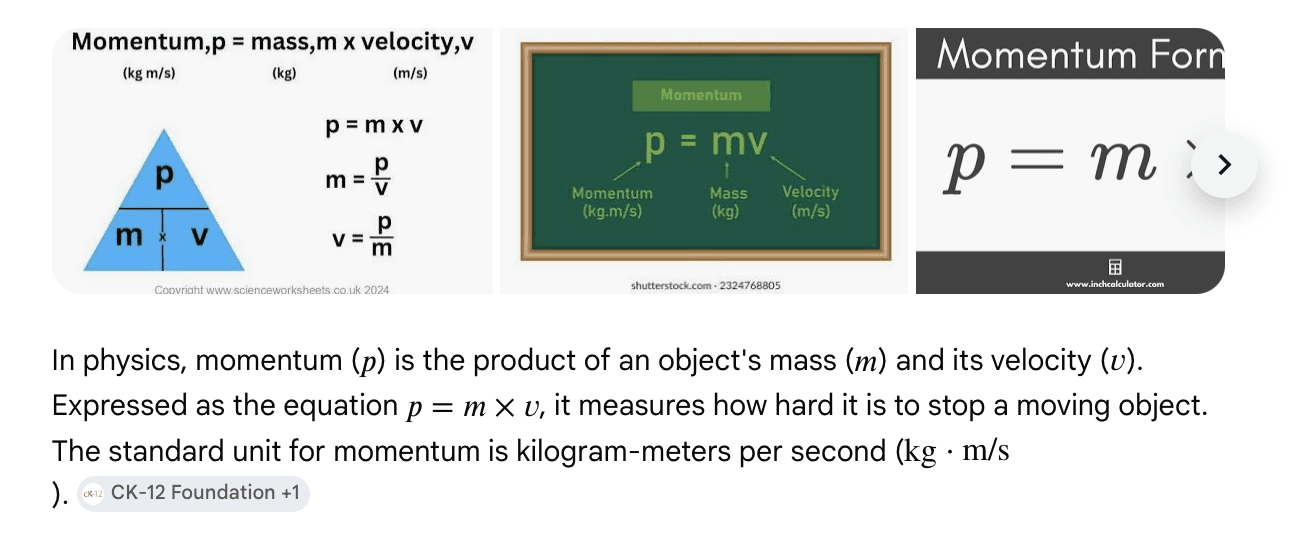
This is a simplified way of saying company momentum needs both multiples in this equation to really work. In my cumulative reflections of almost a decade of startup hopping (and serving clients who were also startups, trying to grow), it all seems to point back to this equation. More often than not it seems like startups over-index on velocity from day 1, and wait too long to backfill mass in each cycle. This is ideally a continuous cycle, and may be too obvious to be worth unpacking. But I am going to anyway.
Velocity is the motion and direction side of things - the speed of shipping, outbound, "growth," pucks on net. At this point in time, AI & automation have outsized returns on velocity. But mass is the why do people care, how are we different, what universe are we building? It's the what you ship, the proof behind it, the presence around it. And the brand that makes people want to participate before they even interact with your product.
Companies usually know some version of these answers internally. Existing customers and partners probably feel them too. But it seems like the most common inhibitor of momentum stems from not solidifying that mass enough for the market to recognize it. And looking for the growth bandaids (everyone is) while not seeing the lack of mass from an external POV.
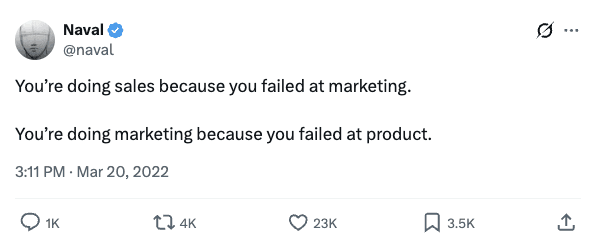
Where I see the Velocity of Craft
Faster tools have removed plenty of friction to explore, prototype, pivot, and automate within reason (big fan of the infinite moodboard these days). They should definitely give more people the power to bring an idea into existence far enough for market feedback. The time saved belongs back in the premise, the taste, the details that carry consequences across the decisions that follow.
We can dig almost anywhere. The craft is choosing which tunnels.